Elevate Your Projects with Professional Sound Design Options
- rfkay891
- Dec 15, 2025
- 3 min read

Updated: Feb 2
Why Choose Professional Sound Design Options?
Professional sound design options offer precision and quality that DIY methods often lack. When I use professional tools and services, I get:
Clear, balanced audio that matches my project’s tone.
Custom sound effects tailored to my specific needs.
Enhanced emotional impact through carefully crafted soundscapes.
Consistent audio quality across all platforms and devices.
For example, in a video game, well-designed sound effects can improve player immersion. In a podcast, clear voice recordings and subtle background sounds keep listeners engaged. These benefits come from the experience and technical skill that professionals bring to the table.
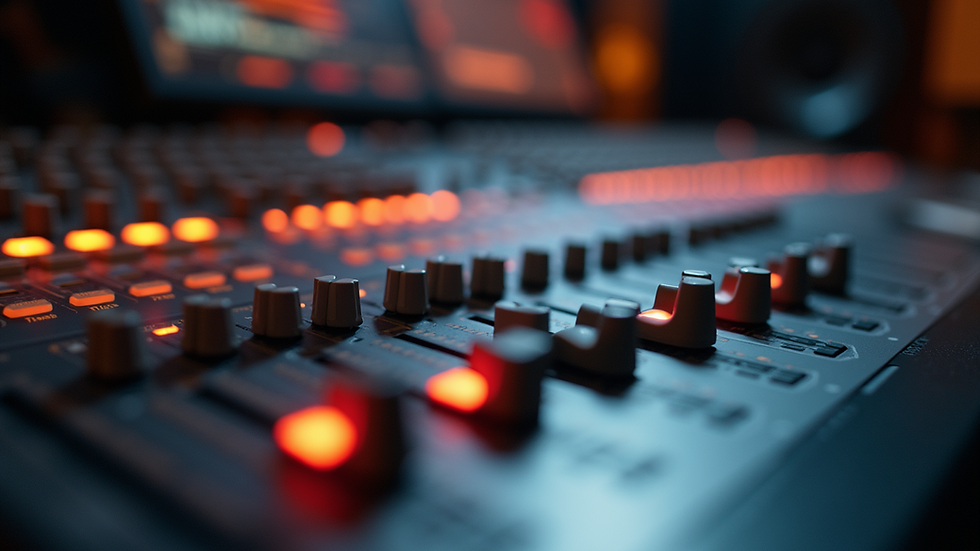
Exploring Professional Sound Design Options
There are several ways to access professional sound design options. I can invest in high-quality software, hire a sound designer, or use specialized sound design services that cover everything from recording to mastering.
Software and Tools
If I prefer a hands-on approach, I consider software like Pro Tools, Logic Pro, or Ableton Live. These programs offer advanced features for editing, mixing, and creating sound effects. However, mastering these tools requires time and practice.
Hiring a Sound Designer
A sound designer brings creativity and technical expertise. They understand how to use sound to support storytelling and mood. When I hire a professional, I get personalized attention and a unique sound tailored to my project.
Using Sound Design Services
Outsourcing to a dedicated service can save time and ensure quality. Services like Transitional Audio Lab provide comprehensive solutions. They handle everything from recording raw audio to final mastering, ensuring my project sounds polished and professional.

How to Integrate Sound Design into Your Project
Integrating sound design effectively requires planning and collaboration. Here are practical steps to follow:
Define Your Audio Goals
Identify the mood and style I want. Is my project dramatic, lighthearted, or suspenseful? Clear goals help guide sound choices.
Create a Sound Map
Outline where sound effects, music, and dialogue will appear. This map helps organize the audio elements and avoid clutter.
Record or Source Quality Audio
Use high-quality microphones and environments for recording. Alternatively, I can source sounds from professional libraries or services.
Edit and Mix Carefully
Balance levels, remove noise, and apply effects to enhance clarity and impact. Mixing is where the project’s audio comes together.
Test on Multiple Devices
Listen on headphones, speakers, and mobile devices. This ensures my sound design works well everywhere.
Practical Examples of Sound Design Impact
To illustrate the power of professional sound design options, consider these examples:
Film: A suspense scene with subtle background noises and precise sound effects can heighten tension. Without professional sound design, the scene may feel flat.
Video Games: Footsteps, environmental sounds, and character voices create immersion. Poor sound design breaks the player’s connection to the game world.
Podcasts: Clear voice recordings and background ambiance keep listeners focused. Background noise or uneven audio levels distract and reduce professionalism.
Commercials: Crisp sound effects and music grab attention and reinforce brand identity. Amateur audio can make a commercial seem untrustworthy.
Maximizing Your Investment in Sound Design
To get the most from professional sound design options, consider these tips:
Communicate Clearly
Provide detailed briefs and examples to my sound designer or service provider.
Review Progress Regularly
Request drafts and give feedback early to avoid costly revisions later.
Plan Your Budget
Allocate funds for sound design as a key part of my project, not an afterthought.
Stay Open to Suggestions
Professionals may offer ideas that improve my project beyond my initial vision.
Keep Learning
Understanding basic sound principles helps me make informed decisions and collaborate better.
Elevate Your Project with Expert Sound Design
Sound design is more than just adding noise. It shapes how my audience experiences my work. By choosing professional sound design options, I ensure my project sounds clear, engaging, and polished. Whether I handle it myself or use sound design services, investing in quality audio pays off.
Explore my options today and transform my projects with sound that stands out.
Conclusion
In conclusion, professional sound design is essential for any creative project. It can make the difference between a good project and an exceptional one. By understanding the various options available, I can choose the best path for my needs. Whether through software, hiring a designer, or utilizing specialized services, the right audio can elevate my work.
Investing in sound design is not just an expense; it is an investment in quality and professionalism. I encourage anyone involved in creative projects to prioritize sound design. The results will speak for themselves.


Comments